
Q
How Are Social and Life Skills Built Through Encore ABA Programs?
Encore ABA programs build social and life skills in autism by breaking routines and interactions into small, teachable steps. Children practice role-play, video modeling, group games, and daily tasks like grooming, cooking, and shopping. This structured approach supports friendships, independence, and long-term readiness for school, work, and community life.
A
Many families raising a child with autism worry about the future. Will their child be able to build friendships? Will they learn how to manage daily routines on their own? These concerns are common, and they highlight the need for structured support in both social and life skills.
By breaking down routines and interactions into small, teachable steps, children gain tools they can actually use in real life. Up next, you’ll see how structured ABA programs strengthen these skills, making daily routines more manageable and meaningful connections easier to build.
Why Social and Life Skills Matter
Autism affects more than communication. It also shapes how children approach relationships, school, and everyday routines. Without support, many children face challenges such as:
- • Friendship barriers: difficulty reading social cues, which can lead to isolation.
- • Routine struggles: trouble with grooming, eating, or handling transitions.
- • Anxiety in public: fear of unfamiliar situations like ordering food or riding the bus.
A 2024 study in Frontiers in Psychiatry reported that children with autism experience significantly lower quality of life in areas such as social and school functioning compared to typically developing peers. These findings highlight why targeted skills training in both social and daily living areas is so valuable.
How ABA Builds Social Skills
ABA therapy approaches social interaction as a skill set that can be taught and practiced. Instead of simply telling a child to “make friends,” ABA therapists break the process into clear, measurable steps.
Examples of ABA Social Skills Activities
- • Role-Play Conversations: Practicing how to greet others, ask questions, or take turns in a dialogue.
- • Video Modelling: Watching and imitating social behaviors like body language, tone of voice, and eye contact.
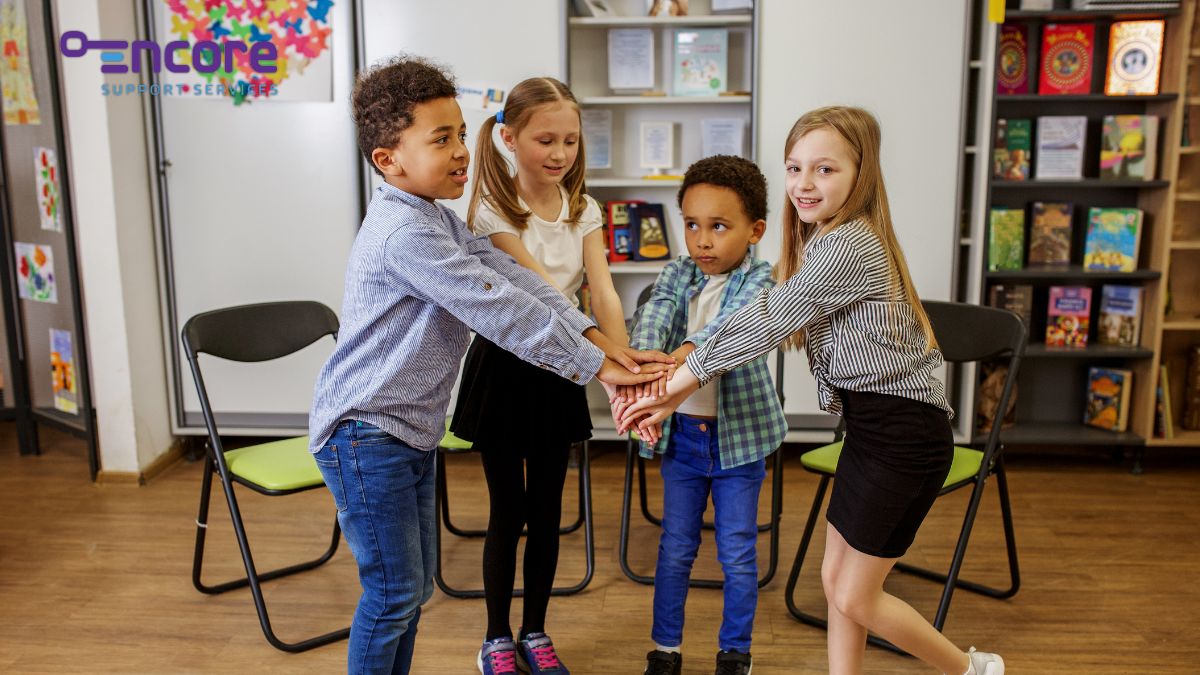
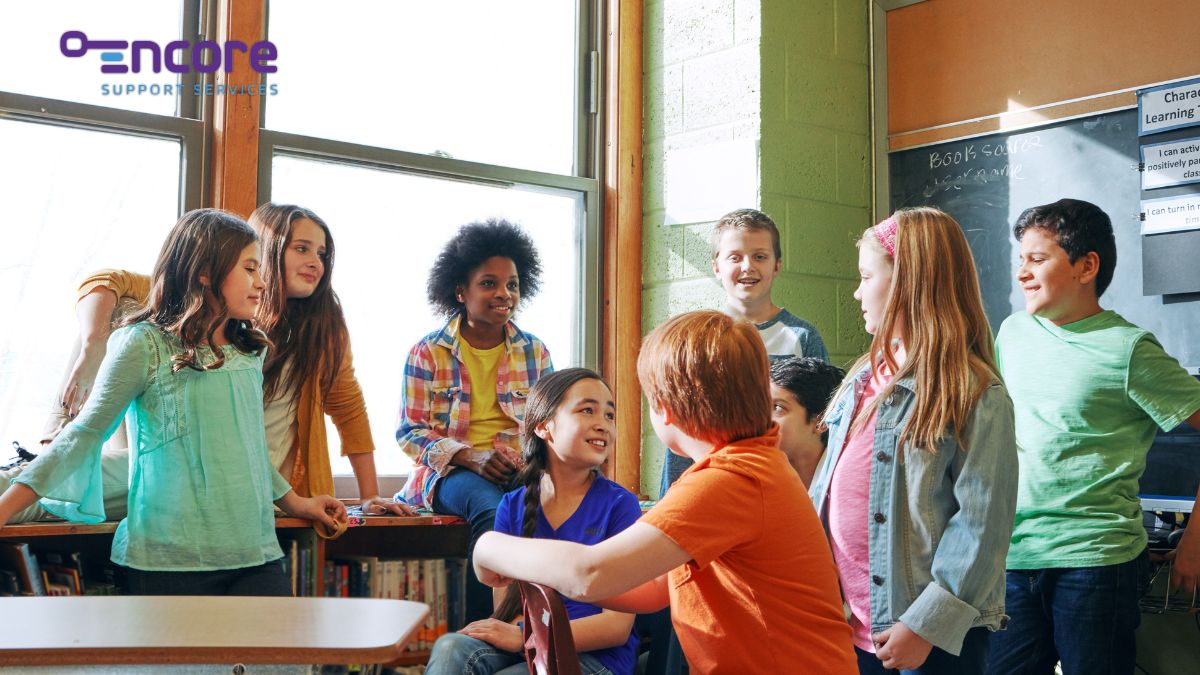
- • Peer Practice: Working in small groups with peers to rehearse play or classroom interactions.
- • Group Games: Using structured play to reinforce cooperation, sharing, and waiting.
A 2023 randomized controlled trial published in the Journal of Autism and Developmental Disorders showed large, lasting improvements in social skills, social knowledge, and the number of get-togethers with peers, effects maintained even six months after the intervention.
 Practical Benefits of Social Skills Training
Developing social skills supports success in school, family relationships, and community life. Children who participate in social training through ABA often show:
- • Better peer acceptance: increased invitations to playdates or group activities.
- • Improved classroom participation: greater comfort in group learning environments.
- • Stronger emotional awareness: ability to recognize and respond to feelings in themselves and others.
These gains build a stronger foundation for long-term growth, especially as children approach adolescence.
Life Skills Programs for Autism
While social growth is vital, independence in daily living is equally important. A life skills program for autism focuses on practical abilities that allow children to function more independently at home and in the community.
Core Life Skills Taught in ABA
- • Personal Care: brushing teeth, bathing, grooming, and dressing.
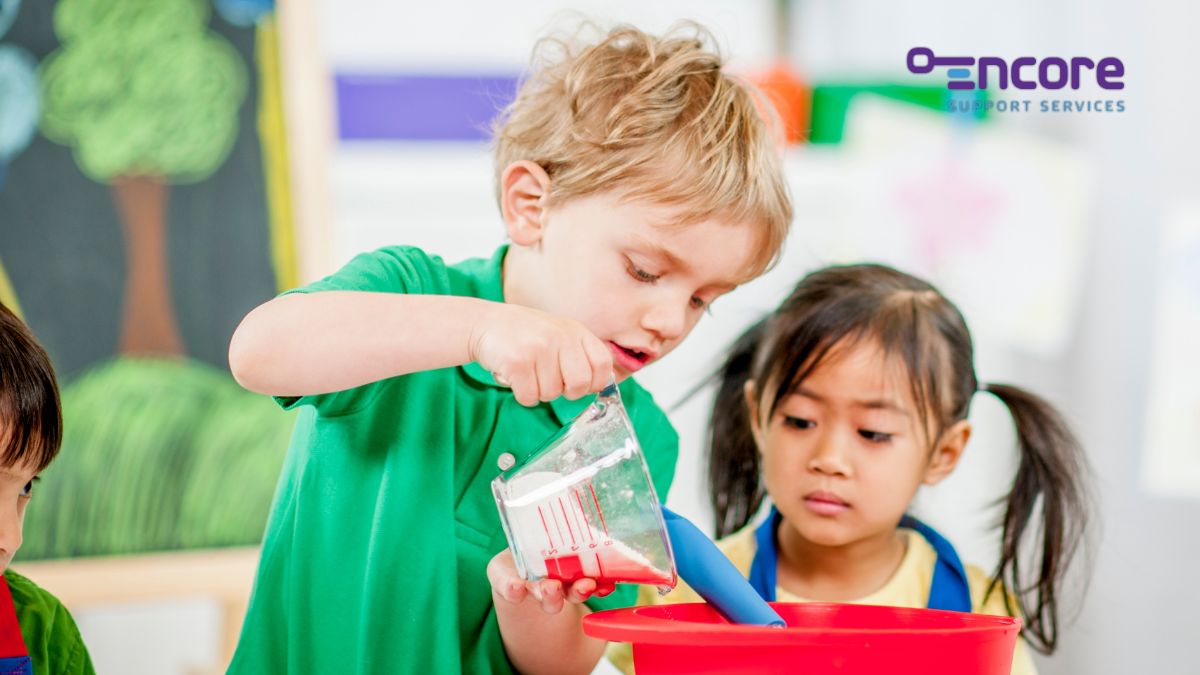
- • Meal Preparation: making a sandwich, heating food safely, or setting the table.
- • Household Tasks: chores such as laundry, sweeping, or organizing belongings.
- • Money Skills: recognizing coins, making change, and understanding value.
- • Community Participation: shopping, ordering food, or using public transport.
A case–control study published in the journal Nutrients (2024) found that 60.6% of children with autism spectrum disorder exhibited significant food selectivity, compared to 37.9% of typically developing controls. The study also noted nutritional concerns such as underweight and obesity, as well as deficiencies in fiber, iron, calcium, and vitamins A, D, and E.
ABA life skills programs offer structured approaches, like gradual exposure and positive reinforcement, to help ease mealtime challenges and reduce stress for both children and families.
 How ABA Teaches Life Skills Step by Step
ABA therapists use evidence-based methods to make life skills manageable. Common strategies include:
- • Task Analysis: breaking tasks into small steps, such as teaching handwashing in order: turn on tap, apply soap, scrub, rinse, dry.
- • Prompting and Fading: providing cues or assistance, then gradually removing support as the child becomes independent.
- • Reinforcement: rewarding progress, whether through praise, tokens, or preferred activities.
- • Generalization: practicing skills in different settings so the child can use them outside therapy sessions.
For example, a child may first practice tying shoelaces during therapy, then apply the same steps at home before school. This ensures skills are practical and transferable.
The Connection Between Social and Life Skills
Social and life skills are deeply connected. Many daily living tasks also involve interaction with others. For example:
- • Cooking at home may involve asking a sibling for help.
- • Shopping at a store requires both money management and thanking the cashier.
- • Taking public transport involves knowing the route and interacting with the driver.
ABA programs often combine both areas so children gain complete experiences. This integrated approach prepares them for the reality of daily life, where independence and social interaction often overlap.
Parent Involvement in ABA Programs
Parents play an essential role in reinforcing progress. ABA therapists typically provide parent training so families can encourage skills outside of sessions.
Ways Parents Can Support Skill Growth
- • Reinforce routines: Encourage the same steps at home that the therapist uses.
- • Create practice opportunities: Schedule playdates, involve children in chores, or allow independence with small purchases.
- • Use consistency: Apply reinforcement strategies across different environments.
 Common Challenges and ABA Solutions
Skill-building is not always smooth. Some children resist change, while others master skills in therapy but struggle to use them outside. ABA addresses these obstacles with flexible strategies:
- • Gradual Exposure: Introducing tasks in small steps for children resistant to new routines.
- • Prompt Fading: Reducing dependence on adult guidance over time.
- • Natural Environment Training: Practicing in real settings like playgrounds or stores instead of just therapy rooms.
These strategies help children use skills consistently in daily life.
Long-Term Benefits of ABA Social and Life Skills Programs
The benefits of ABA extend into adolescence and adulthood. Social and life skills training supports:
- • Friendship and relationships: Increased ability to build and maintain connections.
- • Work readiness: Basic skills like punctuality, following directions, and communication.
- • Independent living: Greater ability to manage self-care, finances, and community involvement.
Build a Brighter Future with Encore ABA
Social challenges and daily living struggles can make the future feel uncertain, but structured support can help children thrive. By participating in ABA therapy services in New York and New Jersey, families can give their children practical tools for independence and connection.
At Encore ABA, our programs are designed to focus on real-life outcomes. From practicing conversation to learning self-care routines, therapy is tailored to each child’s unique needs.
Every child deserves the chance to develop friendships, manage routines, and take steps toward independence. Contact us today to see how personalized support can make everyday life easier
Recent Questions
- Will my child ever be perceived as “normal”?
- How do I deal with an intensely emotional child, while juggling daily dut...
- How can I foster the development of early reading skills in my young childr...
- How can I help my child make friends?
- How do I make my home environment a happy, safe place for my child?
Encore Services
Special Ed
●
Behavior Modification DIR/Floortime
●
Social Skills & Social Thinking
●
Speech-Language Therapies
●
Multi-Sensory Math & Reading Instruction
●
Brain Gym & Physio-neurotherapy
●
Hebrew Reading Skill (Kriah) Training
●
Hands-On Music Therapy
●
Neuropsychological, Nutritional & Behavioral Evaluations
Encore ABA
●
Behavior Modification DIR/Floortime
●
Social Skills & Social Thinkin
g●
Speech-Language Therapies
●
Multi-Sensory Math & Reading Instruction
●
Brain Gym & Physio-neurotherapy
●
Hebrew Reading Skill (Kriah) Training
●
Hands-On Music Therapy
●
Neuropsychological, Nutritional & Behavioral Evaluations
