
Q
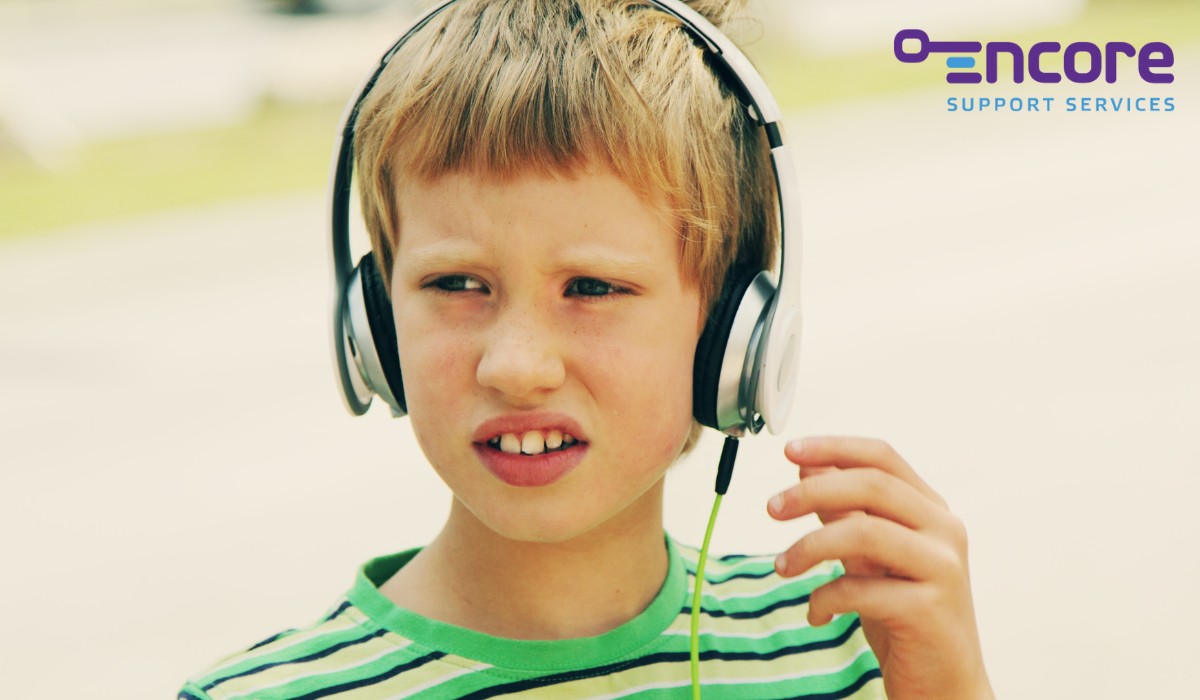
Do Noise-Canceling Headphones Help Kids With Autism?
Find out how noise-canceling headphones can support children with autism, reduce sensory overload, and create a calmer, more focused environment.
A
Key Points:
- Noise-canceling headphones can significantly reduce sensory overload, helping children with autism stay calm and focused in noisy environments.
- These headphones are most effective when paired with individualized strategies, including applied behavior analysis (ABA) therapy.
- Choosing the right type of headphones and teaching children how to use them safely ensures maximum benefits.
For children with autism, everyday sounds that most people barely notice—sirens, vacuum cleaners, crowded classrooms—can feel overwhelming. This heightened sensitivity to auditory input, a hallmark of sensory processing differences, can lead to anxiety, meltdowns, or withdrawal. Parents often search for practical tools to help their child navigate these challenges safely and comfortably. One increasingly popular option is noise-canceling headphones. But do they really work for children on the spectrum?
Let’s explore how these devices can support your child’s sensory needs, when they’re most effective, and how they complement broader strategies like ABA therapy.
Do Noise-Canceling Headphones Help Kids With Autism?
Yes. Noise-canceling headphones can help kids with autism manage sensory sensitivities by reducing overwhelming background noise, which often triggers stress, anxiety, or meltdowns. By creating a calmer auditory environment, these headphones allow children to focus better on tasks, participate more comfortably in social or learning activities, and regulate their emotions more effectively.
While they are not a cure or a replacement for therapeutic support, when used appropriately and under guidance, noise-canceling headphones can be a valuable tool in supporting a child’s daily functioning and overall well-being.
Understanding Sensory Overload in Autism
Before we discuss noise-canceling headphones, it’s important to understand why they’re needed. Sensory overload occurs when the brain receives more input than it can process effectively. For children with autism, this often includes sounds that are sudden, loud, or chaotic. Common triggers include:
- Crowded public spaces: Malls, parks, and sporting events can be overwhelming with multiple, unpredictable noises.
- Household appliances: Vacuum cleaners, blenders, and washing machines may feel painfully loud.
- School environments: Fire alarms, crowded cafeterias, or loud group activities can disrupt focus.
- Unexpected noises: Door slams, honking horns, or barking dogs can trigger stress responses.
Sensory overload doesn’t just cause discomfort—it can lead to behavioral challenges, such as shutting down, crying, or even aggression. Addressing this requires tools that reduce the sensory burden and teach children coping strategies, rather than simply masking the problem. Noise-canceling headphones are one such tool.
How Noise-Canceling Headphones Work
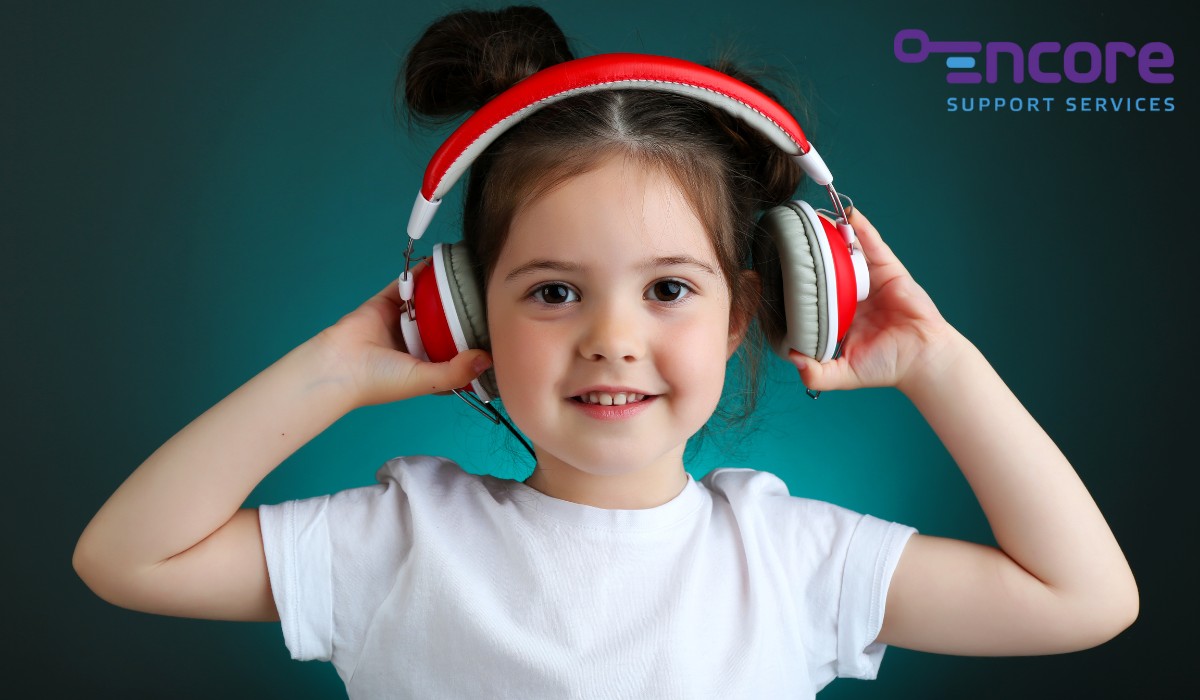
Noise-canceling headphones use technology to actively reduce ambient sounds. Unlike traditional earmuffs or passive headphones, which simply block noise, active noise cancellation (ANC) works by producing sound waves that counteract incoming noise. Here’s why this is particularly useful for children with autism:
- Reduced auditory stress: By dampening background noise, headphones prevent sensory overload before it escalates into a meltdown.
- Improved focus: Quieter surroundings help children concentrate on learning tasks, therapy exercises, or even calm play.
- Greater comfort in public: Environments like grocery stores or doctor’s offices become more manageable, allowing children to participate without distress.
- Control over sensory input: Many models allow adjustable levels, empowering children to modulate how much sound reaches them.
Noise-canceling headphones are not a cure or a replacement for therapy, but they provide immediate relief from environmental stressors, creating a calmer foundation for learning and engagement.
 When Noise-Canceling Headphones are Most Effective
Parents often wonder whether headphones are appropriate in all situations. The truth is, effectiveness depends on timing, context, and integration with broader strategies. These situations tend to benefit most from noise-canceling headphones:
1. School or Classroom Settings
Children with autism may struggle to concentrate in a classroom due to constant background noise. Headphones can:
- Reduce distractions during lessons.
- Help children follow instructions without becoming overwhelmed.
- Allow them to participate in group activities when paired with ABA strategies that support social engagement.
2. Public Outings
Busy stores, parks, or restaurants can quickly overwhelm a child. Using noise-canceling headphones in these contexts:
- Creates a sense of predictability and safety.
- Reduces anxiety linked to sudden, loud, or unpredictable noises.
- Encourages positive experiences in community settings, gradually desensitizing children to certain triggers.
3. At-Home Therapy Sessions
ABA therapy often involves structured learning activities that require attention and focus. Noise-canceling headphones can:
- Block distractions during task completion.
- Support calm, one-on-one instruction, enhancing skill acquisition.
- Promote a comfortable environment where the child can participate fully.
 Choosing the Right Noise-Canceling Headphones
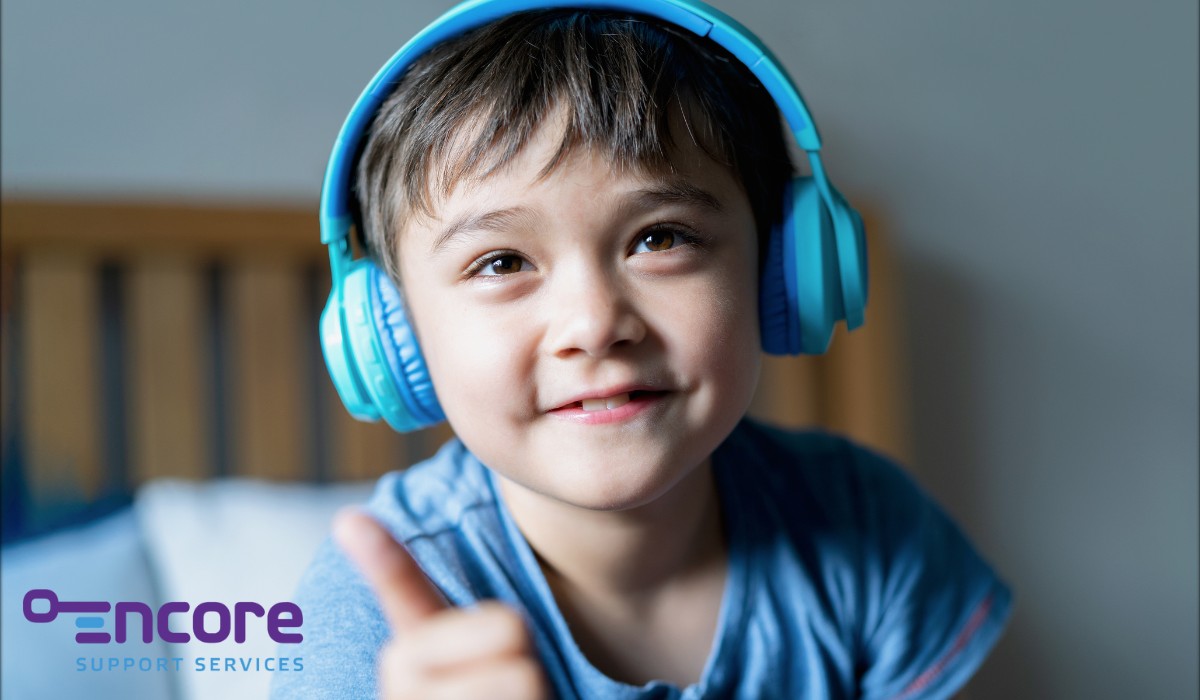
Not all headphones are created equal. Selecting the right device ensures your child’s safety, comfort, and long-term success. Consider the following factors:
- Size and fit: Headphones should fully cover the ears without causing pressure or discomfort. Adjustable bands help accommodate growth.
- Noise reduction level: Some children need complete quiet, while others benefit from reduced volume rather than total silence. Look for models with adjustable ANC levels.
- Durability: Children are active, so headphones must withstand drops, pulls, and rough handling.
- Ease of use: Simple controls and lightweight design make it easier for the child to manage independently.
- Safety features: Avoid models with extremely high volume output, as they can harm hearing over time.
Parents should also introduce headphones gradually, allowing children to become comfortable with wearing them before expecting consistent use.
Practical Strategies for Integrating Noise-Canceling Headphones
While headphones are a helpful tool, they work best when combined with behavioral strategies. Here’s how parents and caregivers can maximize their benefit:
Pair with ABA therapy goals
ABA therapy focuses on teaching coping strategies, communication, and functional skills. Incorporating headphones into ABA sessions can:
- Help children complete tasks without distraction.
- Reinforce calm behaviors with positive outcomes.
- Encourage independence by letting the child choose when to use headphones appropriately.
Create a sensory schedule
Some children benefit from designated “headphone times” rather than wearing them constantly. This prevents over-reliance while still providing relief during high-stress periods.
Teach gradual exposure
Introduce headphones in quiet settings, then slowly progress to noisier environments. Pair this exposure with ABA reinforcement techniques to help children tolerate increasing levels of sound.
Monitor comfort and fatigue
Wearing headphones for extended periods can cause pressure headaches or discomfort. Regular breaks ensure they remain a positive tool rather than a source of stress.
Combine with visual supports
Visual schedules, cue cards, or social stories explaining headphone use can reduce confusion and encourage self-regulation.
 Potential Limitations and Considerations
While noise-canceling headphones offer clear benefits, they’re not without limitations:
- Dependency risk: Children may resist participating in activities without headphones if overused.
- Limited effectiveness for unpredictable noises: Sudden, high-pitched sounds like alarms may still break through.
- Reduced auditory learning: Completely blocking sounds in educational settings can limit exposure to speech, music, or environmental cues.
Balancing headphone use with other sensory strategies, structured ABA therapy, and gradual exposure ensures the child develops long-term coping skills without overreliance on devices.
Other Tools to Support Sensory Needs
Noise-canceling headphones are part of a broader toolkit. Parents might also consider:
- Weighted vests or blankets: Provide calming proprioceptive input.
- Fidget toys: Allow tactile stimulation and focus.
- Quiet corners or sensory tents: Offer predictable, controlled environments during overstimulation.
- Scheduled breaks: Regularly removing the child from high-stimulus environments can prevent overload.
Integrating these tools alongside headphones ensures a comprehensive approach to sensory regulation.
Teaching Children to Use Headphones Independently
The ultimate goal is for children to manage their sensory environment with confidence. Teaching independence with headphones can follow these steps:
- Model usage – Demonstrate putting on and taking off headphones.
- Use visual cues – Picture charts can signal when headphone use is appropriate.
- Reinforce success – Praise or small rewards encourage the child to wear them voluntarily.
- Gradually fade support – Reduce prompts over time to encourage autonomous use.
This approach mirrors ABA therapy principles—breaking skills into small, teachable steps and reinforcing progress consistently.
 Wrapping Up: Headphones as a Complement to ABA Therapy
Noise-canceling headphones are a practical, evidence-informed tool for reducing auditory stress in children with autism. When paired with ABA therapy, they do more than just block sound—they create an environment where children can engage, focus, and participate confidently. ABA therapists can guide parents in integrating headphone use with daily routines, social skills training, and sensory coping strategies.
If you’re looking for a structured, supportive environment to help your child thrive, Encore ABA offers personalized ABA therapy programs. By combining hands-on behavioral strategies with practical tools like noise-canceling headphones, children can build independence, focus, and emotional regulation. Our team works closely with families to create customized plans that address sensory needs and behavioral goals. Contact us today to learn more about how ABA therapy in New Jersey and ABA therapy in New York can support your child’s development.
Recent Questions
- Will my child ever be perceived as “normal”?
- How do I deal with an intensely emotional child, while juggling daily dut...
- How can I foster the development of early reading skills in my young childr...
- How can I help my child make friends?
- How do I make my home environment a happy, safe place for my child?
Encore Services
Special Ed
●
Behavior Modification DIR/Floortime
●
Social Skills & Social Thinking
●
Speech-Language Therapies
●
Multi-Sensory Math & Reading Instruction
●
Brain Gym & Physio-neurotherapy
●
Hebrew Reading Skill (Kriah) Training
●
Hands-On Music Therapy
●
Neuropsychological, Nutritional & Behavioral Evaluations
Encore ABA
●
Behavior Modification DIR/Floortime
●
Social Skills & Social Thinkin
g●
Speech-Language Therapies
●
Multi-Sensory Math & Reading Instruction
●
Brain Gym & Physio-neurotherapy
●
Hebrew Reading Skill (Kriah) Training
●
Hands-On Music Therapy
●
Neuropsychological, Nutritional & Behavioral Evaluations
