

Q
Sensory Issues in Autism Spectrum: Signs & Solutions
Recognize common sensory issues in children on the autism spectrum and learn practical solutions to help them feel safe, calm, and supported.
A
Key Points:
- Children on the autism spectrum often experience heightened or reduced sensitivity to sensory input, which can impact daily functioning and emotional regulation.
- Recognizing specific sensory triggers and patterns is essential for providing effective support at home, school, and in therapy.
- Practical strategies, routines, and professional interventions—including ABA therapy—can help children feel safe, calm, and supported while developing independence.
Children on the autism spectrum often process the world differently, and one of the most noticeable ways this manifests is through sensory sensitivities. Unlike typical sensory experiences, these sensitivities can feel overwhelming, unpredictable, or even painful to a child. From loud noises that trigger panic to textures that cause avoidance, sensory issues can affect everything from playtime to mealtime and even sleep. Understanding what these challenges look like—and knowing how to address them—can make a significant difference in a child’s comfort, confidence, and overall well-being.
Applied Behavior Analysis (ABA) therapy can be a valuable tool in helping children navigate sensory challenges. By creating individualized plans that account for sensory processing differences, ABA therapy supports children in learning coping skills while promoting independence and positive behaviors.
Understanding Sensory Processing Differences in Autism
Sensory processing refers to the way the brain receives, interprets, and responds to information from the senses. Children with autism may be hypersensitive (over-responsive) or hyposensitive (under-responsive) to stimuli. Some may even experience a mix, depending on the sense or situation. These differences can influence behavior, emotional regulation, and learning.
Common senses affected include:
- Auditory – sensitivity to volume, pitch, or background noise
- Visual – heightened awareness of lights, colors, or movement
- Tactile – reactions to textures, clothing, or touch
- Olfactory & Taste – strong preferences or aversions to smells and flavors
- Vestibular & Proprioceptive – balance, movement, and body awareness
By recognizing patterns in these sensory responses, parents can better anticipate triggers and tailor strategies that help their child feel secure.
 Common Signs of Sensory Issues
Children with sensory challenges may display a wide range of behaviors. These behaviors are often ways of coping with overwhelming input or seeking additional stimulation. Understanding these signs helps parents and caregivers intervene effectively.
1. Auditory Sensitivities
Children may cover their ears, cry, or become anxious in response to everyday sounds like vacuums, sirens, or crowded classrooms. Some may refuse headphones or become agitated during group activities.
2. Tactile Sensitivities
Clothing tags, certain fabrics, or messy textures like finger paint can lead to avoidance, meltdowns, or rigid clothing preferences. On the other hand, some children may seek intense pressure or rough play to regulate their sensory system.
3. Visual Sensitivities
Bright lights, rapid movement, or crowded spaces can be overwhelming. Children might squint, look away, or cover their eyes, and in some cases, they may fixate on spinning objects or lights as a form of self-stimulation.
4. Taste and Smell Sensitivities
Picky eating is common, but it can go beyond preference. Strong odors or certain textures may trigger gagging, refusal, or emotional distress. Conversely, hyposensitive children may crave strong flavors, spices, or sour foods.
5. Vestibular and Proprioceptive Differences
Difficulties with balance, coordination, or body awareness are common. Some children avoid climbing or running, while others seek constant motion, like rocking, jumping, or spinning, to feel grounded.
Recognizing these patterns is the first step toward developing strategies that reduce distress and promote positive engagement.
 Practical Solutions for Supporting Sensory Needs
Once sensory sensitivities are identified, consistent strategies at home, school, and therapy settings can make a meaningful difference. Here’s a structured approach:
1. Create a Predictable Environment
- Establish routines that reduce unexpected sensory input.
- Provide warnings before transitions, loud noises, or crowded environments.
- Use visual schedules or timers to help children anticipate changes.
2. Modify Sensory Input
- Auditory: Noise-canceling headphones, soft background music, or reduced volume settings.
- Tactile: Soft clothing without tags, gradual exposure to new textures, or sensory-friendly utensils for meals.
- Visual: Dim lighting, use of sunglasses indoors, or visual breaks from overstimulating areas.
3. Introduce Sensory Diet Activities
A sensory diet involves structured activities that provide sensory input throughout the day to help regulate the nervous system. Examples include:
- Proprioceptive Input – Jumping on a mini-trampoline, heavy work (pushing/pulling), or carrying weighted objects.
- Vestibular Input – Swinging, spinning slowly in a chair, or balance exercises.
- Tactile Exploration – Playing with sand, rice bins, or textured toys in small, manageable doses.
- Auditory Play – Listening to rhythmic music, drum exercises, or soft singing.
These activities help children regulate emotions, reduce anxiety, and improve attention and engagement.
4. Use Positive Reinforcement
Reward adaptive responses to sensory challenges. For example:
- Praise a child for wearing a new texture or tolerating a sound.
- Offer small incentives or breaks to reinforce coping strategies.
- ABA therapy techniques can systematically reinforce these skills, making them part of the child’s everyday routine.
5. Gradual Exposure
For more challenging stimuli, start with short, controlled exposures, gradually increasing tolerance over time. Pair exposure with calming strategies, like deep breathing, fidget tools, or comfort objects.
When to Seek Professional Support
While many strategies can be implemented at home, professional guidance ensures interventions are safe, effective, and individualized. Signs that it may be time to seek professional support include:
- Severe or frequent meltdowns triggered by sensory input
- Avoidance of daily activities due to sensory distress
- Difficulty engaging in learning or social situations
- Sleep disruptions or feeding challenges related to sensory sensitivities
Professionals like occupational therapists (OTs) and ABA therapists specialize in addressing these challenges. ABA therapy, in particular, can teach coping strategies, adaptive responses, and functional skills that reduce sensory-related frustration.
How ABA Therapy Helps Children with Sensory Issues
Applied Behavior Analysis (ABA) therapy is highly effective in supporting children with autism, including those with sensory processing differences. ABA focuses on:
- Breaking Skills into Manageable Steps: Children learn to tolerate, adapt to, or respond appropriately to sensory stimuli through gradual exposure and reinforcement.
- Promoting Functional Skills: For example, learning to tolerate brushing teeth, wearing new clothing, or participating in group activities.
- Reducing Challenging Behaviors: ABA identifies triggers and teaches alternative strategies, reducing meltdowns or avoidance behaviors.
- Integrating Skills Across Settings: ABA programs coordinate with home, school, and community to ensure that progress in therapy carries over into daily life.
Individualized programs that consider each child’s sensory profile and learning style can help children develop effective coping strategies while building independence and confidence.
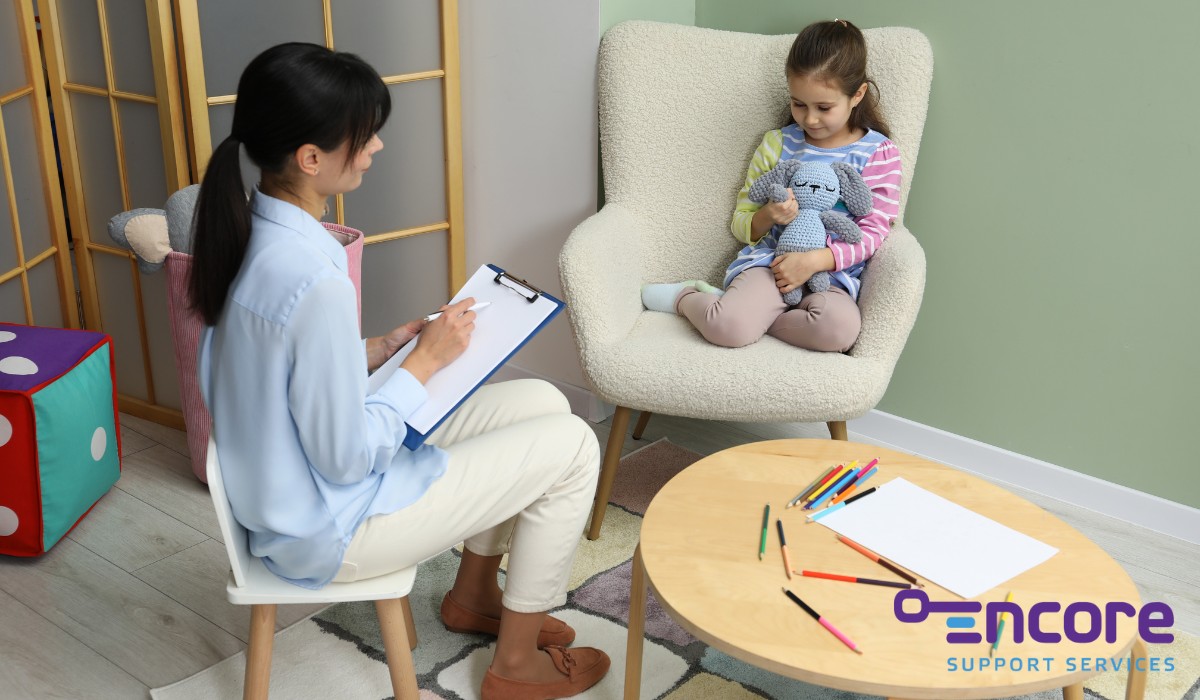 Tips for Supporting Sensory Needs Daily
Parents and caregivers can reinforce sensory coping skills throughout daily routines:
- Morning Routine: Use calming music, soft clothing, or gentle lighting to start the day with reduced sensory stress.
- Mealtime: Introduce new foods slowly, offer choices, and respect strong preferences while gently encouraging exploration.
- Playtime: Include sensory play like water tables, sand bins, or soft textures, allowing self-regulation through enjoyable activities.
- Homework and Learning: Reduce distractions, use visual schedules, and incorporate movement breaks to maintain focus.
- Bedtime: Create a predictable wind-down routine with dim lights, soft music, or weighted blankets for comfort.
Consistency, patience, and observation are key. Understanding your child’s unique sensory profile allows you to tailor strategies that help them thrive.
Navigating Sensory Issues with ABA Therapy
Sensory issues in children on the autism spectrum can be complex and multifaceted. By recognizing the signs, understanding triggers, and implementing practical strategies—alongside professional support—parents can create environments that feel calming, safe, and nurturing. ABA therapy provides structured, individualized support that helps children manage sensory sensitivities, build coping skills, and engage more confidently in daily life.
For families seeking ABA therapy in New Jersey or in New York, Encore ABA offers personalized programs delivered in a home-like setting. Through consistent guidance, reinforcement, and collaboration with families, children gain the tools to navigate sensory challenges and thrive across environments.
To learn more about how we can support your child’s growth and sensory development, reach out today and explore our personalized ABA therapy programs.
Recent Questions
- Will my child ever be perceived as “normal”?
- How do I deal with an intensely emotional child, while juggling daily dut...
- How can I foster the development of early reading skills in my young childr...
- How can I help my child make friends?
- How do I make my home environment a happy, safe place for my child?
Encore Services
Special Ed
●
Behavior Modification DIR/Floortime
●
Social Skills & Social Thinking
●
Speech-Language Therapies
●
Multi-Sensory Math & Reading Instruction
●
Brain Gym & Physio-neurotherapy
●
Hebrew Reading Skill (Kriah) Training
●
Hands-On Music Therapy
●
Neuropsychological, Nutritional & Behavioral Evaluations
Encore ABA
●
Behavior Modification DIR/Floortime
●
Social Skills & Social Thinkin
g●
Speech-Language Therapies
●
Multi-Sensory Math & Reading Instruction
●
Brain Gym & Physio-neurotherapy
●
Hebrew Reading Skill (Kriah) Training
●
Hands-On Music Therapy
●
Neuropsychological, Nutritional & Behavioral Evaluations
