
Q
What Are the Best Tips to Prepare Your Child for Their First ABA Session?
Prepare your child for their first ABA session by keeping explanations simple, setting routines, and introducing the therapist early. Bring comfort items, practice small structured activities at home, and keep the first day low-stress. Consistency, communication, and calm parental support make the transition smoother.
A
Starting child ABA therapy is a big step for many families. The first session often brings excitement but also worry. Parents may feel unsure about what to say, how to prepare, or what to expect. Children may sense this stress and react with resistance.
Getting ready for the first ABA session doesn’t have to feel overwhelming. A few simple steps at home can help your child feel safe, comfortable, and more willing to engage. The goal is to set a foundation that makes therapy feel like a natural part of everyday life.
1. Talk to Your Child in Simple Language
Children often feel anxious about new situations they don’t understand. Introducing ABA therapy in clear and age-appropriate words helps remove fear.
- • Say things like, “You’ll play games and learn new skills with a helper.”
- • Avoid long explanations that may confuse them.
- • Keep a calm and positive tone.
When a child knows what to expect, their first meeting with an ABA therapist feels less intimidating.
2. Create a Consistent Routine Beforehand
Routine provides security. ABA therapy relies on structure, so preparing early makes the transition smoother.
- • Set fixed times for meals, play, and bedtime.
- • Gradually introduce a daily schedule so therapy won’t feel disruptive.
- • Practice following short instructions, like “First brush teeth, then story time.”
Parents who establish patterns at home prepare children for the predictable nature of ABA sessions.
3. Introduce the Therapist Early
Meeting a new adult can be stressful. If possible, let your child see photos of their ABA therapist or join a short video call before the first session.
- • Share the therapist’s name often.
- • Frame them as a “friend” who will play and help.
- • Role-play greetings like waving or saying “hello.”
Familiarity reduces first-day anxiety and encourages trust from the start.
4. Use Comfort Items During Sessions
Some children adjust better when they have something familiar nearby.
- • Bring a favorite toy, small blanket, or sensory item.
- • Let the therapist know about it so they can include it if helpful.
- • Encourage your child to use it for short breaks.
This ABA strategy builds a sense of safety without interrupting learning.
5. Practice Short ABA-Like Activities at Home
Parents can introduce simple ABA strategies before the first session:
- • Practice turn-taking with games.
- • Reinforce positive behavior with small rewards (stickers, extra playtime).
- • Break tasks into steps, praising effort after each one.
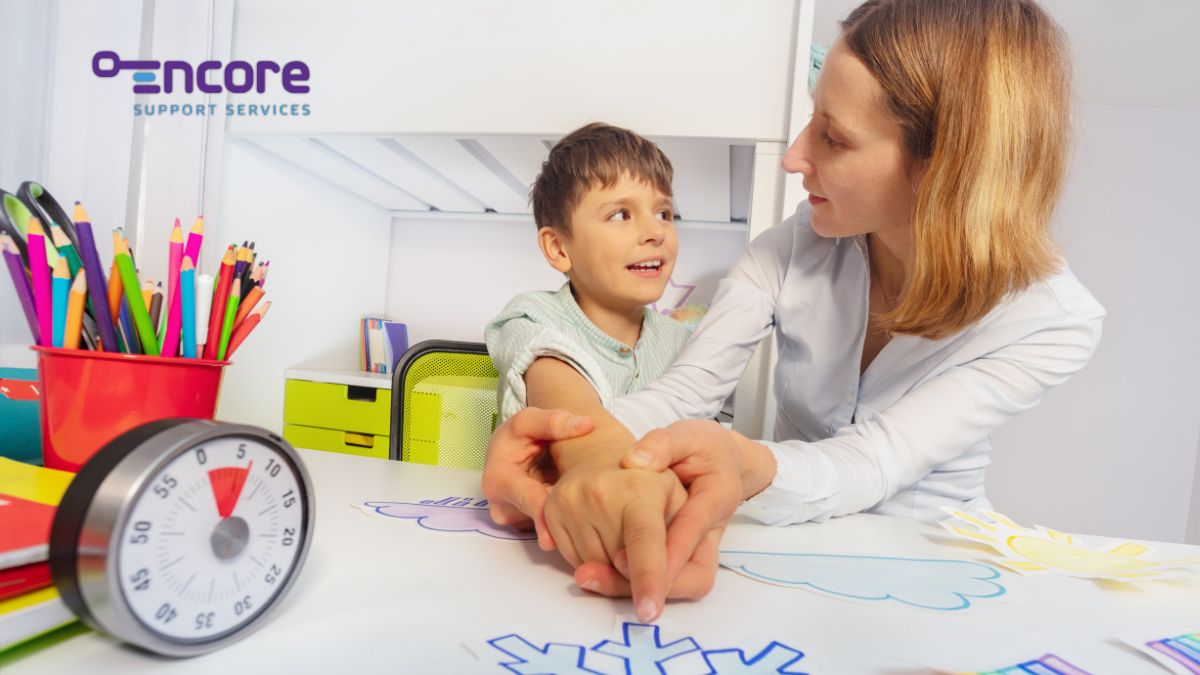
These mini-sessions prepare your child for the structure of child ABA therapy and show them that learning can be fun.
 6. Set Realistic Expectations for the First Day
The first ABA session often focuses on building rapport, not immediate results. Parents should:
- • Expect observation, play, and getting to know the therapist.
- • Avoid pushing for progress too quickly.
- • Remember that comfort and trust come before skill-building.
Children may resist at first, but patience helps the process unfold naturally.
7. Communicate with the Therapy Team
Parents play an important role by sharing details about their child:
- • Preferred activities and dislikes.
- • Sensory sensitivities (noise, textures, food).
- • Motivators that work well at home.
Open communication ensures the ABA therapist tailors sessions to your child’s needs. This collaboration builds consistency between therapy and home routines.
8. Prepare Yourself as a Parent
Parents often focus on their child’s readiness but forget their own. Your approach affects how your child reacts.
- • Stay calm and positive, even if your child resists.
- • Avoid showing stress in front of them.
- • Trust the process, even if progress seems slow.
Children sense parental emotions. When parents feel prepared, children adapt more smoothly.
9. Involve Siblings and Family Members
Siblings often notice changes in household routines. Preparing them helps reduce confusion or jealousy.
- • Explain that therapy is about helping their brother or sister learn.
- • Encourage siblings to cheer for small wins.
- • Remind them they also get special time with parents.
Family support makes the transition easier for everyone.
10. Keep the First Day Low-Stress
Plan the day of the first session carefully.
- • Ensure your child is well-rested and fed.
- • Avoid scheduling big events immediately before or after.
- • Allow time to relax afterward.
A calm schedule helps your child focus during the session and associate therapy with positive experiences.
11. Use Visual Supports
Children with autism often respond well to visuals. Preparing them with simple tools can reduce worry.
- • Show a picture schedule of “car ride → meet therapist → play time.”
- • Use social stories to explain what will happen.
- • Mark the therapy day on a calendar with a symbol.
Visual cues help children anticipate and accept new routines.
12. Reinforce the Experience Afterwards
After the first ABA session, talk about it positively.
- • Ask your child what they liked.
- • Celebrate small efforts with praise or a reward.
- • Avoid focusing on challenges.
Reinforcement makes your child more willing to return next time.
 13. Stay Consistent Between Sessions
ABA therapy works best when reinforced outside of sessions. Parents can support progress by:
- • Practicing skills at home in natural settings.
- • Using the same reward system as the therapist.
- • Communicating weekly with the therapy team.
Consistency creates a strong bridge between therapy and daily life.
14. Anticipate and Manage Resistance
It’s normal for children to resist change. Some may cry, withdraw, or refuse to participate at first.
- • Stay calm and avoid punishment.
- • Give short breaks when needed.
- • Praise even small attempts.
With patience and gentle encouragement, most children adapt within a few sessions.
15. Monitor Progress and Stay Involved
Parents should take an active role in ABA therapy beyond the first session.
- • Attend parent training if offered.
- • Ask for updates and progress reports.
- • Learn techniques you can apply at home.
Active involvement increases the success of ABA strategies and strengthens your child’s development.
Encourage Growth with ABA Therapy
Preparing your child for their first ABA session helps build trust and reduces anxiety. By using simple routines, introducing the therapist early, and reinforcing positive behavior at home, parents create a smoother transition into therapy. The goal is to help children feel comfortable, safe, and ready to learn.
Families who start ABA therapy for children in New Jersey and New York gain access to structured support that makes everyday challenges easier. At Encore ABA, our focus is on building communication skills, improving behavior, and creating strategies that support children both at home and in school.
Every child deserves the chance to grow with guidance that meets their needs. Contact us today to learn more about our therapy solutions and take the first step toward meaningful progress.
Recent Questions
- Will my child ever be perceived as “normal”?
- How do I deal with an intensely emotional child, while juggling daily dut...
- How can I foster the development of early reading skills in my young childr...
- How can I help my child make friends?
- How do I make my home environment a happy, safe place for my child?
Encore Services
Special Ed
●
Behavior Modification DIR/Floortime
●
Social Skills & Social Thinking
●
Speech-Language Therapies
●
Multi-Sensory Math & Reading Instruction
●
Brain Gym & Physio-neurotherapy
●
Hebrew Reading Skill (Kriah) Training
●
Hands-On Music Therapy
●
Neuropsychological, Nutritional & Behavioral Evaluations
Encore ABA
●
Behavior Modification DIR/Floortime
●
Social Skills & Social Thinkin
g●
Speech-Language Therapies
●
Multi-Sensory Math & Reading Instruction
●
Brain Gym & Physio-neurotherapy
●
Hebrew Reading Skill (Kriah) Training
●
Hands-On Music Therapy
●
Neuropsychological, Nutritional & Behavioral Evaluations
